Blog

Your blog category

Blog

Cybersecurity Is Everyone’s Responsibility: Building a Security-Aware Workplace

Security software and technical controls play an important role in protecting a business. However, everyday decisions also affect how well those protections work. Opening an unexpected attachment, sharing information with the wrong person, or approving an unverified payment can create risks. A security-aware workplace helps employees recognize these situations and respond appropriately. Make Security Relevant to Each Role Employees are more likely to apply guidance when it connects to their work. Finance teams may need training on payment verification. Customer service teams may need guidance on confirming identities and protecting customer information. Managers should understand access approvals and escalation procedures. Use realistic examples that reflect the decisions people actually make. Encourage Safe Everyday Habits Clear, practical guidance helps employees protect information without unnecessary confusion. Encourage staff to use approved password managers, enable multifactor authentication, lock unattended devices, and share documents through authorized tools. Explain how to verify unusual requests and where to ask for help. Security procedures should be easy to find and simple to follow. Create a Supportive Reporting Culture Employees should feel comfortable reporting a suspicious message or admitting that they clicked something unexpected. Fear of blame can delay reporting and make an incident harder to manage. A supportive approach helps your organization learn what happened and respond promptly. Make reporting channels clear, and acknowledge employees who raise concerns. Keep Training Ongoing A single training session is rarely enough to establish lasting habits. Short reminders, practical exercises, and role-specific refreshers can reinforce key lessons. Update your guidance when business processes, tools, or responsibilities change. Include security awareness in onboarding so new employees understand expectations from the start. Lead by Example Leaders help shape workplace behavior. When managers follow security procedures and support training, they show that protecting information is part of everyday business. Develop Your Team With AnnuSec AnnuSec provides cybersecurity awareness training that helps employees understand risks and make better security decisions. Contact AnnuSec to discuss training tailored to your team and working environment.
Annusec
Blog

Penetration Testing: Finding Security Weaknesses Before They Become Bigger Problems

A website or business application can appear to work perfectly while still containing security weaknesses. Penetration testing helps organizations investigate those weaknesses through controlled, authorized testing. The goal is to understand how an attacker could exploit a system and what the consequences might be for your business. What Does Penetration Testing Involve? A penetration test examines agreed systems, applications, or networks for exploitable vulnerabilities. Before testing begins, your organization and the testing team define the scope, schedule, permitted activities, and communication procedures. This agreement helps manage operational risks and keeps the work focused on your priorities. Why Is It Valuable? Security tools can identify many potential issues, but a finding alone may not explain its practical impact. Penetration testing can reveal whether a weakness allows unauthorized access, exposes sensitive information, or combines with other issues to create a more serious risk. This context helps your team decide what to fix first. When Should You Consider Testing? Testing can be useful before launching a new application, after significant system changes, or as part of a regular security review. The appropriate timing depends on your business environment, exposure, and applicable requirements. Systems that handle sensitive information or provide critical services may need closer attention. What Happens After the Test? The findings should give your team a clear path forward. A useful report explains the identified weaknesses, their impact, and recommended corrective actions. Fixing the issues is an essential part of the process. Follow-up testing can help confirm that changes address the original findings. Understand the Limits A penetration test examines a defined scope during a particular period. It cannot guarantee that every vulnerability has been found or that systems will remain secure after future changes. Testing works best alongside secure development, system maintenance, monitoring, and employee awareness. Strengthen Your Security With AnnuSec AnnuSec helps businesses assess security weaknesses and prioritize practical improvements through penetration testing and consulting. Contact AnnuSec to discuss a penetration testing scope suited to your systems and business goals.

Blog

How to Recognize Phishing Emails and Protect Your Business

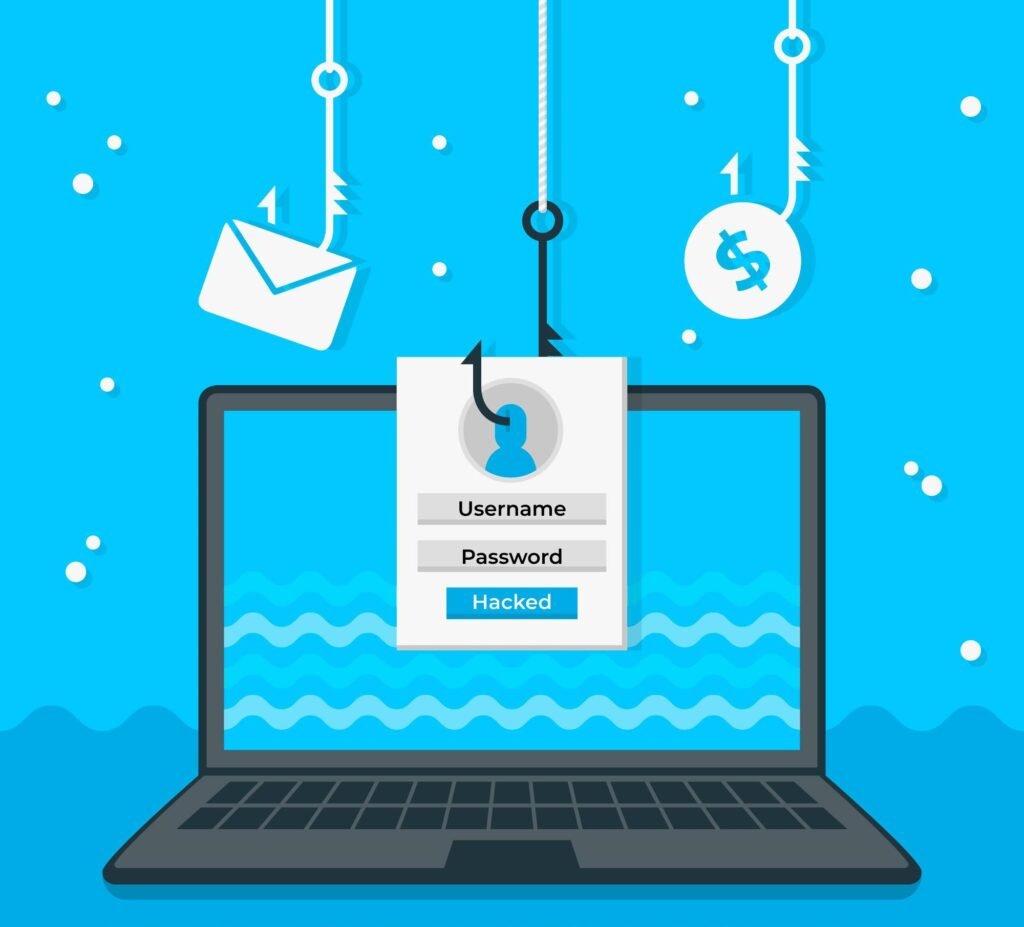
A message arrives asking you to approve a payment, reset your password, or open an urgent document. It looks familiar, but something feels wrong. Phishing messages use impersonation and persuasive language to encourage people to reveal information, transfer money, or open harmful content. Recognizing the warning signs can help your team avoid costly mistakes. Check the Sender Carefully A familiar display name does not confirm who sent an email. Examine the full email address and look for unexpected domains, misspellings, or subtle changes. An email that appears to come from a colleague or supplier should still be checked if the request is unusual. Be Cautious With Urgent Requests Phishing messages often create pressure. They may claim that your account will be closed, a payment is overdue, or a manager needs an immediate transfer. Pause before acting. Verify sensitive requests through a trusted contact method, such as a known phone number. Avoid using contact details supplied in the suspicious message. Inspect Links and Unexpected Attachments Before opening a link, check whether its destination matches the service you expect. On a computer, hovering over a link can reveal its address. When uncertain, open the organization’s website directly through a trusted bookmark or by typing its known address. Treat unexpected attachments with caution, even when the message appears to come from someone you know. Protect Your Accounts Use unique passwords and enable multifactor authentication where available. These safeguards help protect accounts, although they do not remove the need to check suspicious requests. Never share passwords, verification codes, or recovery codes in response to an unexpected message. Make Reporting Easy Employees should know how to report suspicious messages and feel comfortable doing so. If someone has clicked a link or entered information, prompt reporting gives your security team a better chance to respond effectively. Build Awareness With AnnuSec AnnuSec’s cybersecurity awareness training helps teams recognize suspicious messages and develop safer habits. Contact AnnuSec to strengthen your team’s ability to recognize and report phishing attempts.

Blog

Why Your Business Needs a Cybersecurity Strategy

Technology supports almost every part of a modern business, from customer communication to payments and record keeping. As your reliance on digital systems grows, protecting those systems becomes an essential part of running your business. A cybersecurity strategy gives your organization a clear approach to protecting information, managing risks, and responding when something goes wrong. Understand What You Need to Protect Effective security starts with understanding your business. What information do you store? Which systems support your daily operations? Who can access them? Customer records, financial information, employee details, and business documents all require appropriate protection. Identifying your most important assets helps you focus resources where they matter most. Build Protection Into Daily Operations Cybersecurity involves more than installing security software. It also includes controlling access, maintaining systems, training employees, and establishing clear procedures. Practical measures include using multifactor authentication, updating software, maintaining tested backups, and removing access when employees leave. These actions work together to reduce opportunities for unauthorized access. Prepare for Security Incidents Even with safeguards in place, incidents can happen. A response plan helps your team act quickly and consistently. Your plan should explain who makes decisions, how employees report concerns, and how affected systems are contained and restored. Reviewing the plan regularly helps keep it useful as your business changes. Review and Improve Your Approach Cybersecurity is an ongoing process. New systems, changing responsibilities, and business growth can introduce additional risks. Regular assessments help you identify gaps and prioritize improvements. A clear strategy also makes security decisions easier by connecting them to your business goals. How AnnuSec Can Help AnnuSec helps businesses understand their security challenges and develop practical protection strategies. Through cybersecurity consulting, assessments, and training, we support a more informed approach to managing digital risks. Contact AnnuSec to discuss a cybersecurity strategy tailored to your business.

Scroll to Top